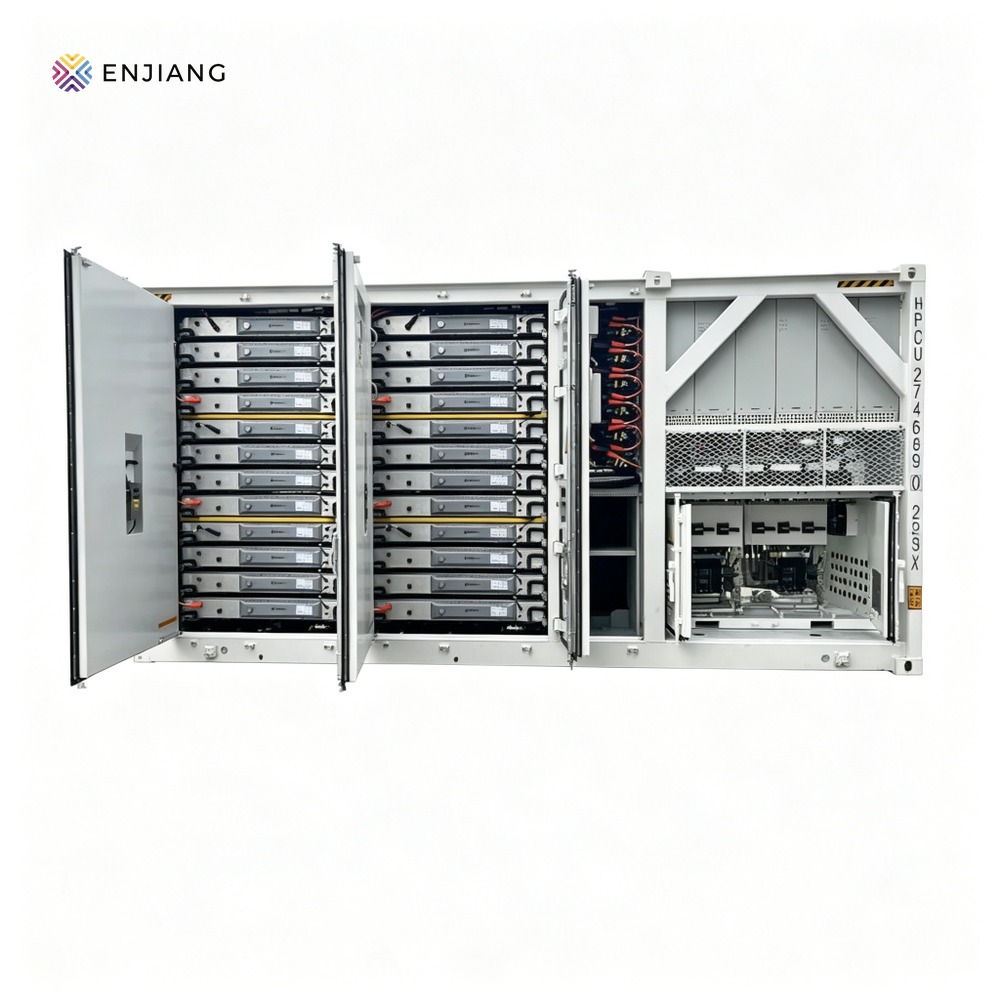


Condensation water generated during the operation of industrial and commercial energy storage systems (primarily liquid-cooled storage cabinets and containerized storage units) poses a critical challenge to equipment reliability and safety. This moisture can cause short circuits in internal components, metal corrosion, reduced insulation performance of battery modules, and even thermal runaway risks. The fundamental mechanism involves temperature differences between the air humidity within the storage cabinet and the cabinet walls or equipment surfaces. When atmospheric water vapor reaches the dew point, it condenses into liquid water. Given the operational environments of industrial and commercial energy storage systems (outdoor or indoor factory settings, high-power operation, and significant environmental temperature/humidity fluctuations), condensation water formation results from multiple factors including environmental conditions, equipment design, and operational conditions. A targeted solution requires addressing four key dimensions: temperature control, humidity management, condensation prevention, and drainage systems.
Analysis of the Core Cause of Condensate Water Generation
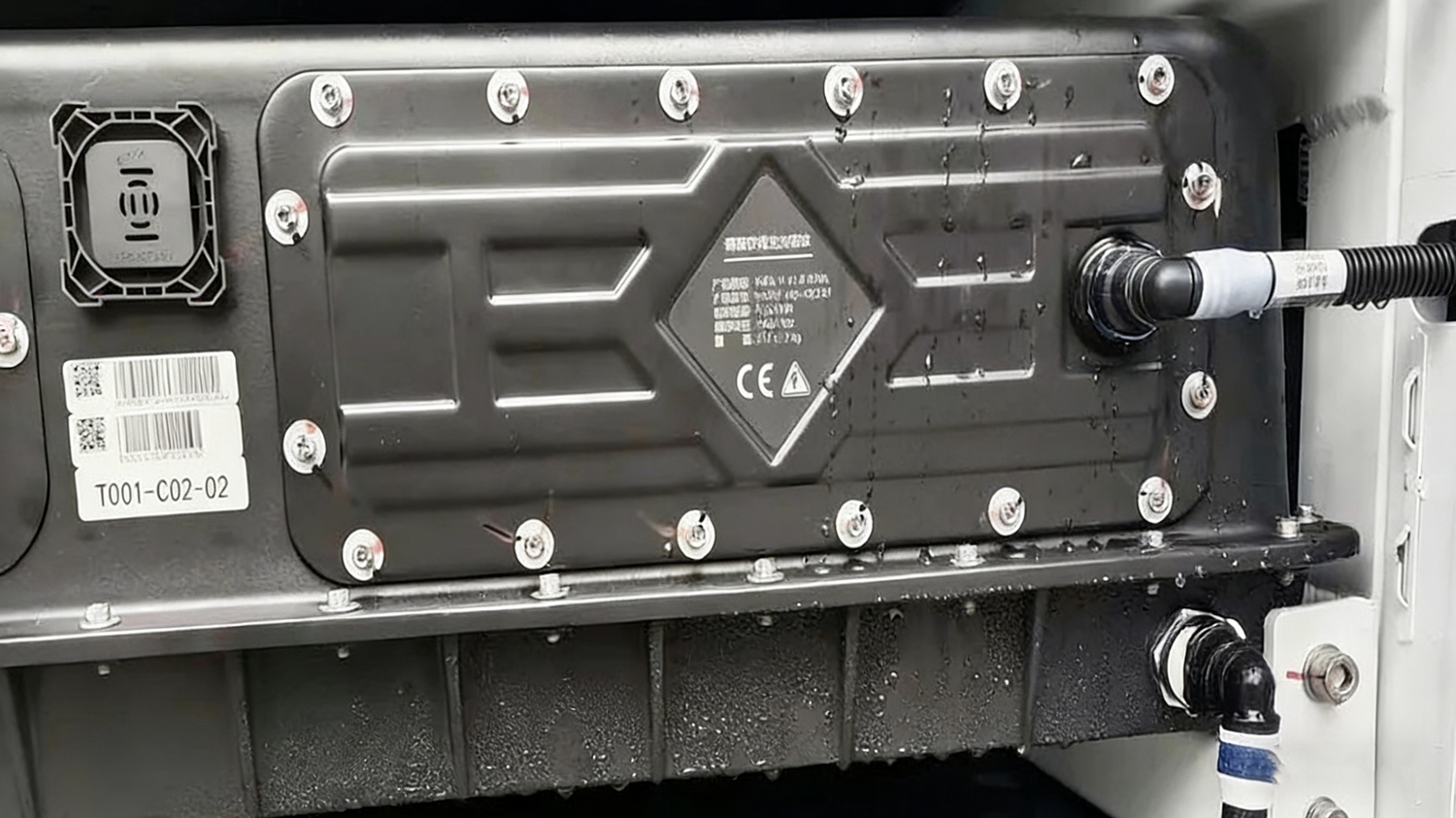
Condensation in industrial and commercial energy storage systems primarily occurs on the inner walls of battery cabinets/containers, liquid-cooled pipeline surfaces, inside distribution cabinets/PCS enclosures, and gaps between battery modules. The causes of condensation vary slightly across these locations.
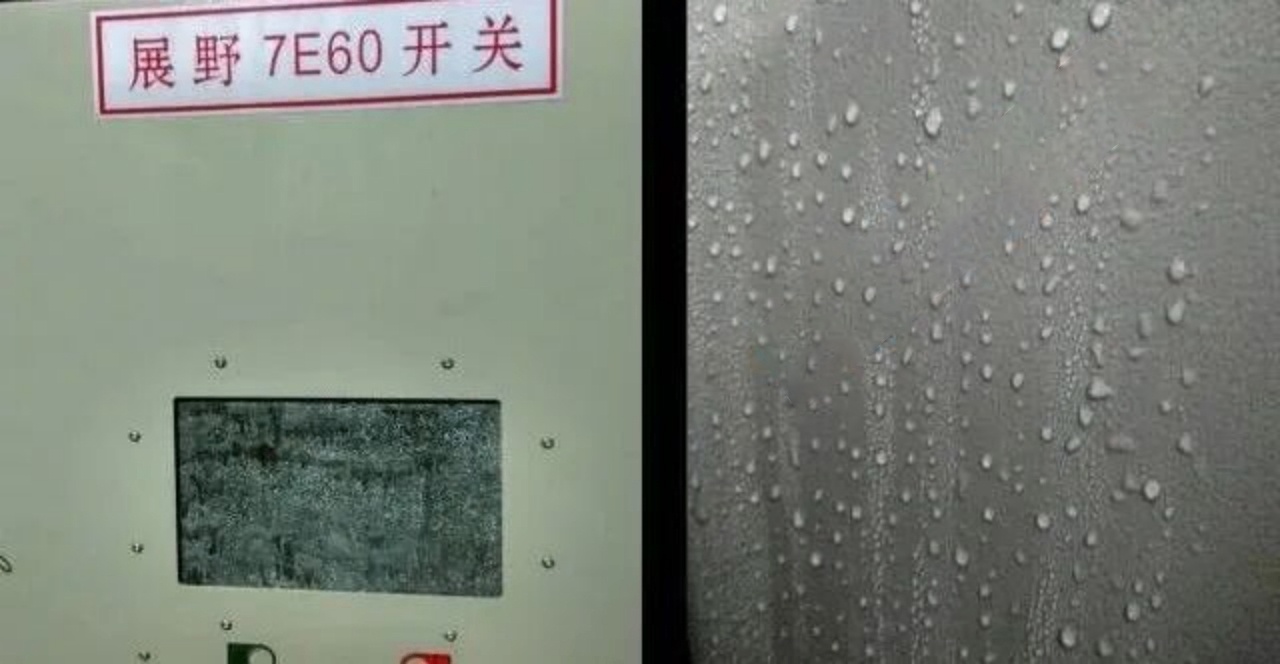
1. Environmental factors: External temperature and humidity are the fundamental triggers for condensation.
High humidity environment: In southern coastal areas, during the plum rain season, and after summer rainfall, the relative humidity of the air often reaches over 70%, even exceeding 90%. The humid air entering the energy storage cabinet through ventilation and sealed gaps carries a significant amount of water vapor, providing the material basis for condensation.
Significant temperature difference: When the temperature difference between the cabin interior and the external environment exceeds 10°C, it creates the thermal conditions for condensation water formation. For example, the external temperature is 35°C, while the cabin is maintained at 20°C due to cooling requirements, resulting in a temperature difference of 15°C.
Outdoor rain/dew: If the top or sides of the outdoor energy storage cabinet get wet or develop outdoor condensation, the metal walls of the cabinet will cool down, further increasing the temperature difference with the air inside and accelerating internal condensation.
Low-temperature surfaces: This serves as the "trigger point" for condensation formation. In liquid-cooled energy storage systems, although the battery pack itself is cooled, if the primary liquid-cooling pipeline (typically made of metal) lacks proper insulation or the temperature of electrical control components (such as copper busbars and PCBA boards) remains low, humid air will rapidly condense into water on their surfaces.
2. Equipment design factors: Inherent design defects amplify the risk of condensation
The core cause of condensate water issues stems from flaws in energy storage systems cabinet structures, thermal management designs, and sealing/ventilation configurations. These design shortcomings represent common pain points in commercial and industrial energy storage systems, particularly containerized and cabinet-type solutions.
2.1 Design Imbalance of Thermal Management System
Liquid cooling system: The liquid cooling pipeline insulation layer is missing or insufficient in thickness, with damaged insulation. When the temperature difference between the coolant (typically 20-30°C) and the cabinet air exceeds 5°C, rapid condensation occurs on the pipeline surface. Additionally, poor thermal insulation at the contact points between the liquid cooling plate and battery modules results in localized low-temperature condensation on the module surfaces.
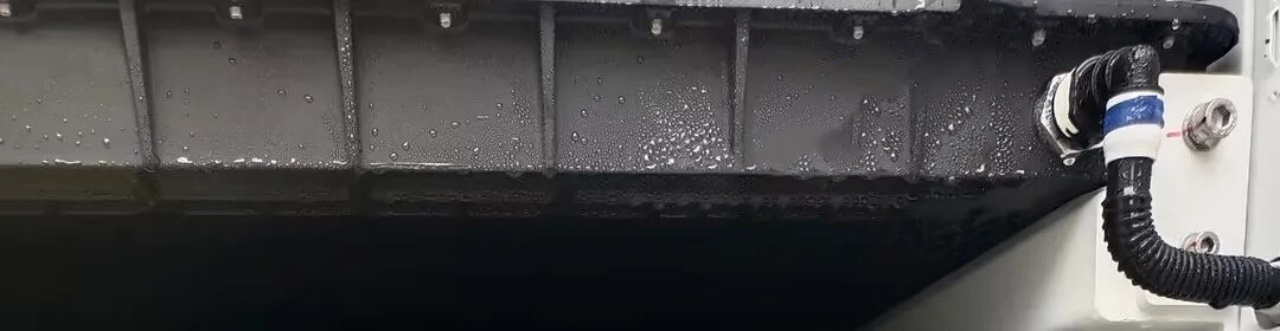
Air-cooling system: The intake port is not dehumidified, directly drawing outdoor humid air into the cabinet. Upon contact with high-temperature components inside the cabinet, the cold air temperature drops abruptly to the dew point, causing condensation. The exhaust port is short-circuited to the intake port, resulting in localized mixing of hot and cold air within the cabinet, forming a "condensation zone".
2.2 Inadequate cabinet sealing and ventilation design
Poor sealing performance: The cabinet joints, cable holes, and door gaps lack proper sealing (e.g., without waterproof strips or sealant), allowing continuous infiltration of outdoor moisture and preventing effective humidity control inside the cabinet.
Ventilation design defects: No forced ventilation / Insufficient ventilation volume, preventing timely exhaust of high-humidity air within the cabinet; Ventilation outlets lack dust-proof and dehumidification devices (e.g., dehumidification filters, desiccant boxes), allowing moist air to enter directly without filtration; Excessive ventilation in winter/low-temperature environments, leading to rapid temperature drop and condensation inside the cabinet due to the influx of external cold air.
2.3 No dedicated temperature/humidity control or drainage design
The dehumidification and heating devices are not configured, and the temperature and humidity inside the cabinet cannot be actively regulated. When environmental temperature and humidity fluctuate, the dew point temperature cannot be promptly adjusted below the surface temperature of the equipment.
The cabinet lacks drainage holes and water channels at the base, causing condensation to accumulate and seep into components. Moreover, the interior lacks anti-condensation coating, resulting in metal surfaces prone to condensation and accelerated corrosion.
II. Hazards of Condensate Water: Insulation Reduction and Electrical Corrosion
The hazards of condensate water should not be underestimated, as it poses multiple threats to the safe and stable operation of energy storage systems.
Insulation performance degradation: Water is a conductor. When condensation adheres to high-voltage copper busbars, electrical connectors, or circuit boards, it significantly reduces insulation resistance, increasing the risk of short circuits, arcing, and even fires.
Corrosion of metal components: Prolonged exposure to humid environments accelerates oxidation and corrosion of metal terminals and connectors, leading to increased contact resistance. This not only affects equipment performance but may also cause failures due to localized overheating, thereby shortening the service life of the equipment.
System failures occur frequently: Ground faults and communication disruptions caused by condensate water may lead to unplanned system shutdowns, severely compromising the operational efficiency and economic performance of energy storage facilities.
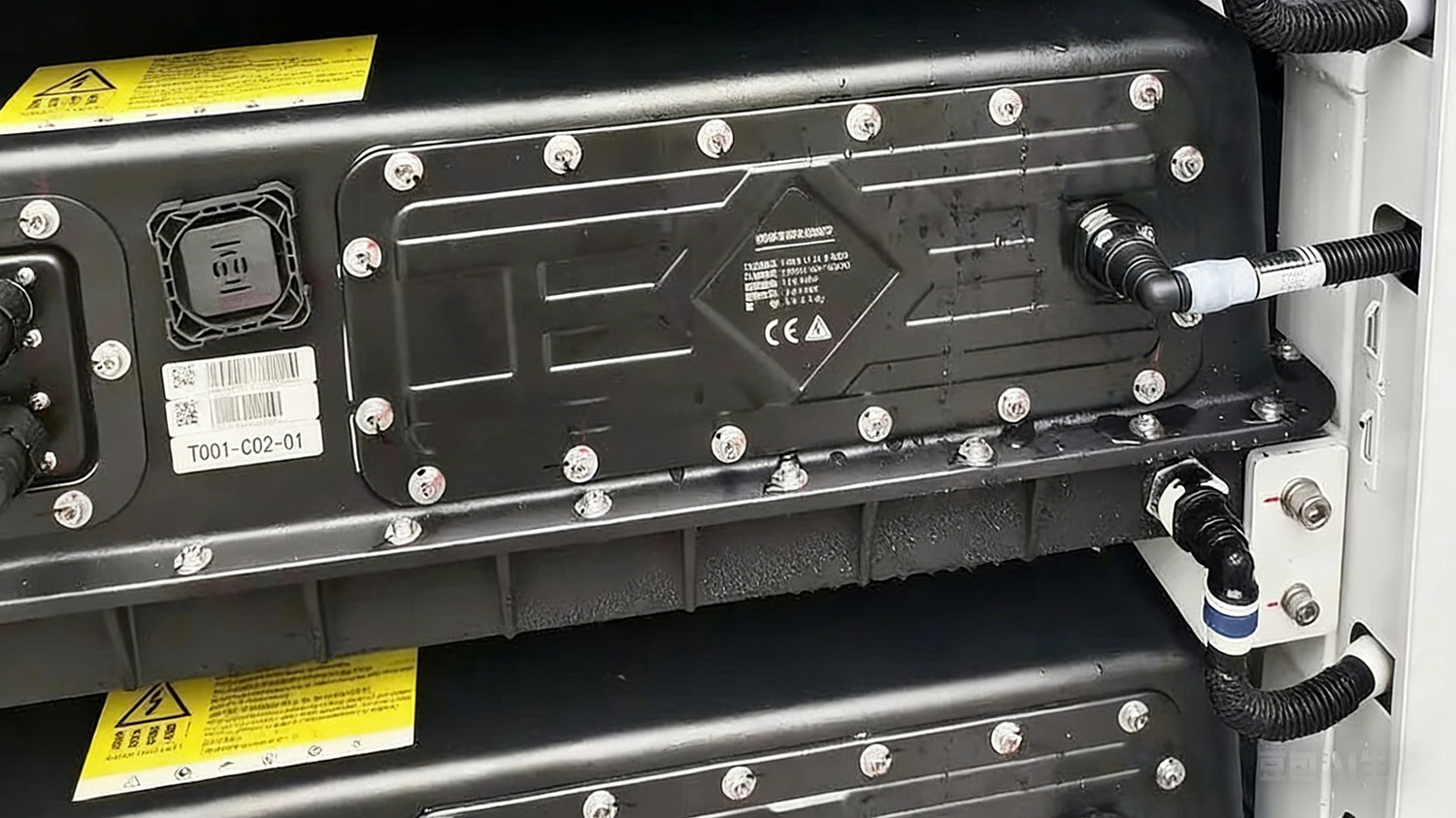
III. How to Effectively Defend? -A Multidimensional Solution
To solve the problem of condensate water, we need to construct a comprehensive defense system from the aspects of environmental control, structural design and operation strategy.
3.1 Environmental control: removing the firewood from under the pot
Control of temperature and humidity: Install an air conditioner with dehumidification function or a standalone dehumidifier in the battery compartment to maintain the ambient temperature within the optimal range of 20°C to 25°C and the relative humidity at 40% to 60%. This is the most direct and effective method.
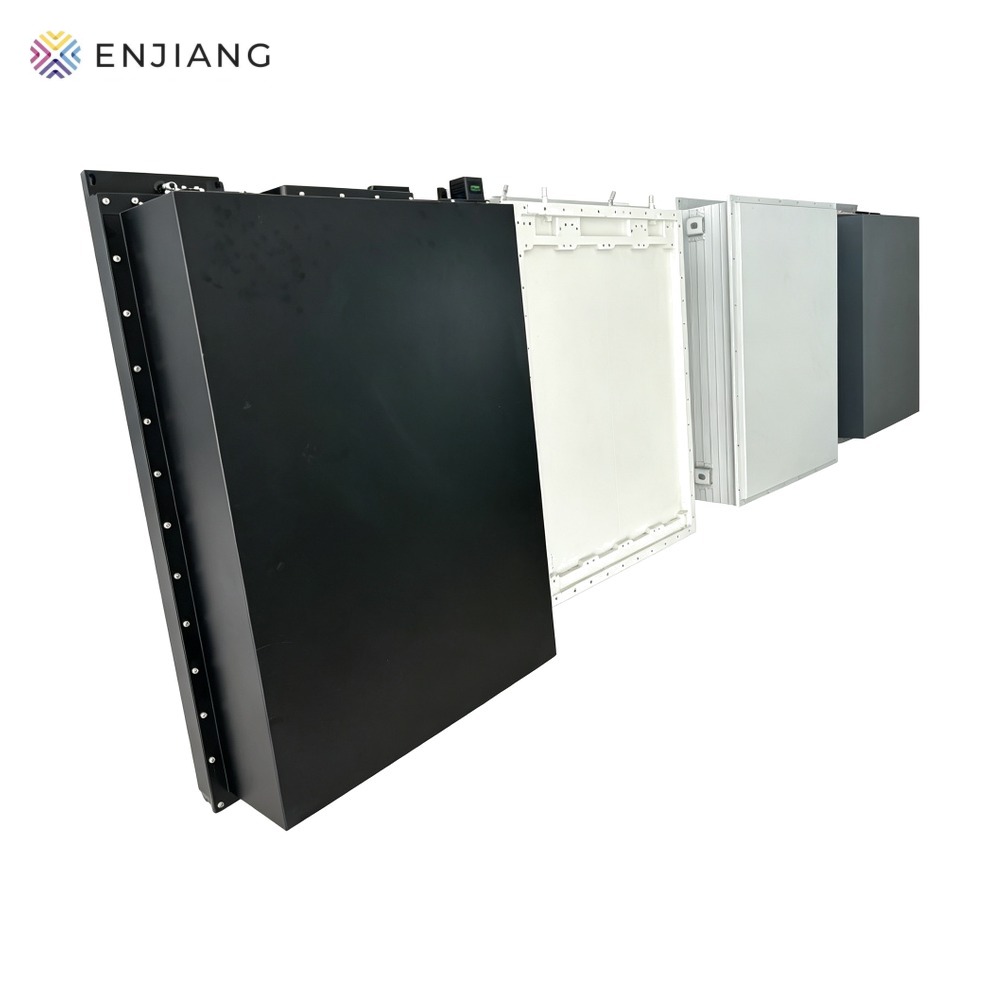
Physical isolation: Install sunshades or thermal insulation covers on outdoor energy storage cabinets to mitigate the impact of extreme external temperature fluctuations on the cabinet interior.
3.2 Structural optimization: Physical barrier
Enhance sealing: Regularly inspect the cabinet door frame, sealing strips, and joints, and promptly replace aged or damaged sealing materials to ensure the enclosure maintains excellent airtightness and prevents external moisture ingress.
Physical isolation: The design separates the electrical compartment from the battery compartment, with the electrical compartment cooled by air to prevent core components from freezing due to low temperatures.
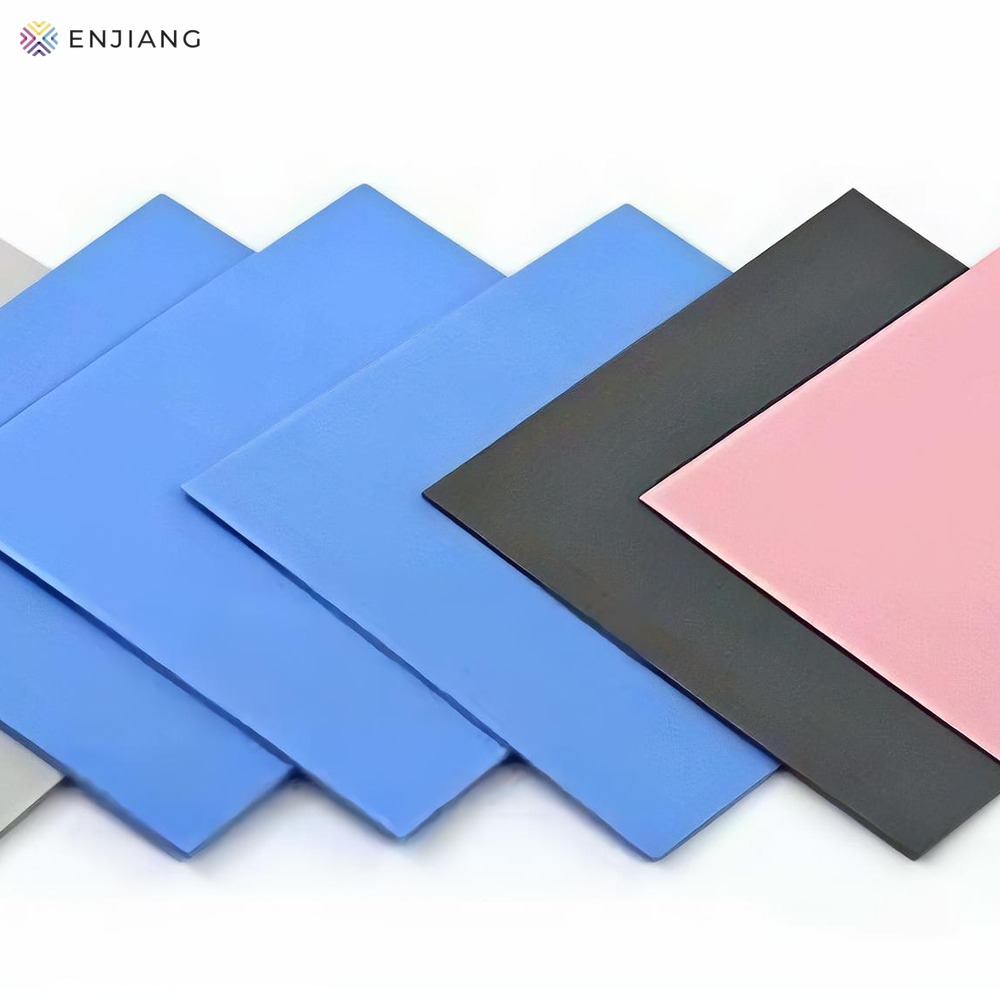
Enhance thermal insulation: For components with lower surface temperatures, such as primary liquid-cooled pipelines, wrap them with high-quality thermal insulation cotton to raise their surface temperature above the cabin air dew point, thereby completely preventing condensation.
Seal the leak: During transportation, testing, or operation, ensure all idle liquid-cooled pipe interfaces are fully sealed to prevent moisture from entering the cabin through these open gateways.
3.3 Operational Strategy: Intelligent Regulation
Micro-positive pressure strategy: Based on the principle of micro-positive pressure, an air inlet is installed on the cabin body. A fan delivers filtered dry air into the cabin to maintain a micro-positive pressure state, thereby physically preventing the intrusion of external moisture.
Precision temperature control: The Battery Management System (BMS) precisely regulates the operation of the liquid cooling unit to prevent the battery or pipeline surface from becoming over-cooled, ensuring its surface temperature remains consistently above the dew point.
IV. Low-cost Solutions for Industrial and Commercial Energy Storage Projects
Owing to the constraints of existing equipment structures, ongoing projects cannot undergo large-scale design modifications. The solution must focus on localized upgrades, equipment additions, and sealing optimization to achieve cost-effective condensate prevention. Priority should be given to resolving four critical issues: air leakage, pipeline condensation, obsolete dehumidification systems, and drainage blockages.
4.1 Cabinet Sealing and Thermal Insulation Renovation
Replace damaged rubber strips at cabinet doors, joints, and cable penetrations; apply waterproof sealant to gaps and install waterproof pressure strips to enhance sealing performance.
Apply self-adhesive rubber-plastic insulation layer (30-50mm thick) to condensation-prone cabinet corners and exterior walls to reduce thermal transfer. Install rainproof covers on outdoor energy storage cabinets to prevent rain from damaging the cooling units.
4.2 Emergency retrofitting of liquid cooling pipeline for anti-condensation
For liquid-cooled pipelines lacking insulation or with damaged insulation, apply self-adhesive rubber-plastic insulation layer and aluminum foil externally, then seal the joints with thermal tape to quickly resolve condensation issues.
Install a simple collection tray beneath the pipeline and use a water guide pipe to divert condensate water to the exterior of the cabinet.
4.3 Installation of Simple Temperature and Humidity Control Equipment
Install explosion-proof condensing dehumidifiers in battery cabinets and PCS cabinets (select based on cabinet volume, with one 10L/day dehumidifier per 10m³), featuring manual/automatic start-stop control to maintain humidity below 60%.
Install small explosion-proof heating elements (50-100W) in cabinet corners and condensation-prone areas, which activate in low-temperature environments to prevent localized condensation due to excessive temperature drops.
The cabinet is equipped with a temperature and humidity display screen to monitor real-time conditions and promptly detect condensation risks.
4.4 Reconstruction of Drainage Structure
Drill a hole at the lowest point of the cabinet base, install a drainage fitting with a filter screen, and connect an external water pipe to drain the accumulated condensate.
Install waterproof silicone strips in areas without drainage grooves within the battery cabinet to form makeshift channels, directing condensation flow to drainage holes.
Regularly clear blockages from existing drainage holes to ensure unobstructed drainage.
4.5 Simple Dehumidification Modification of Air Cooling System
Install replaceable desiccant cartridges/desiccant filters at the air intake and replace them regularly (every 7-15 days during the rainy season) to reduce the entry of humid air.
Adjust the fan start-stop strategy to reduce ventilation volume in low-temperature and high-humidity environments, thereby preventing the entry of external cold air.


Contact person:Lucas
Tel:+86 17354988387
Phone:+86 17354988387
Email:lucas@enjatech.com
Address:No.1998 Jinfeng South Road, Wuzhong District, Suzhou city, China