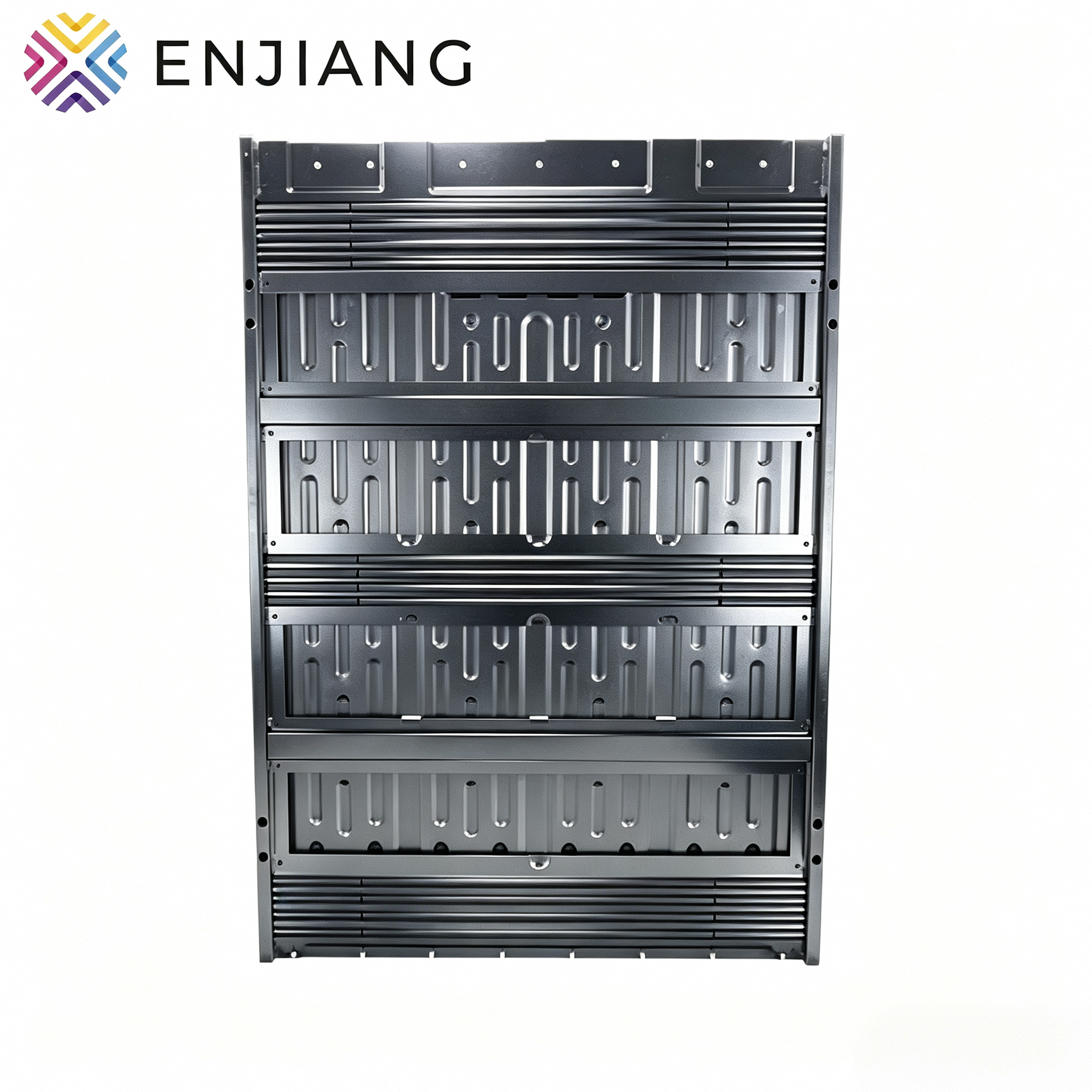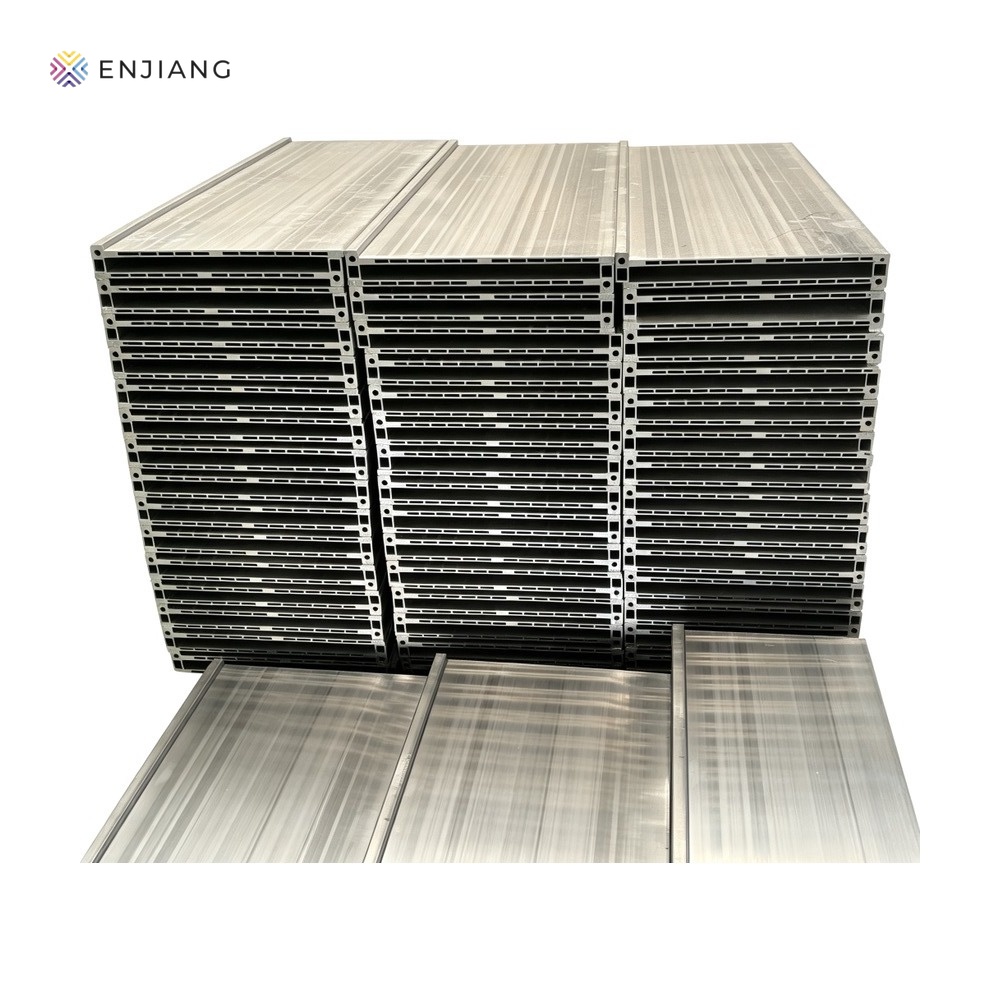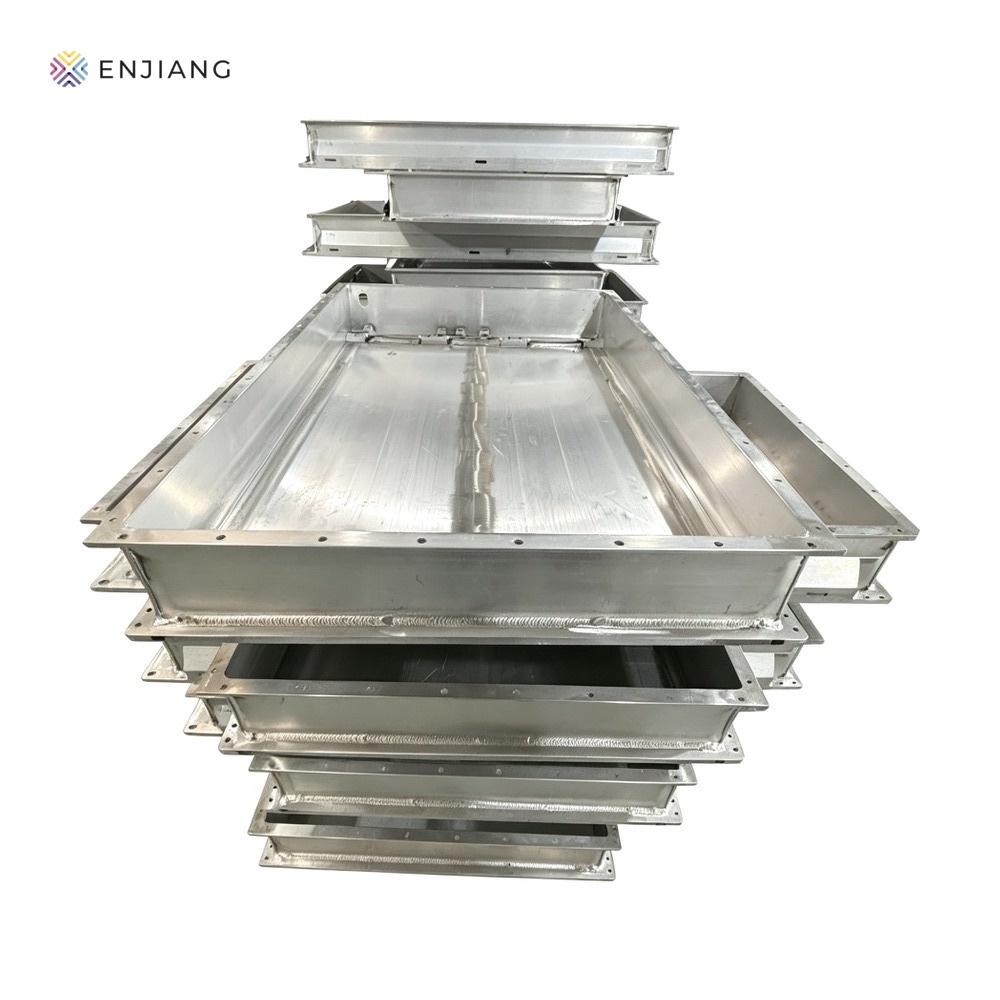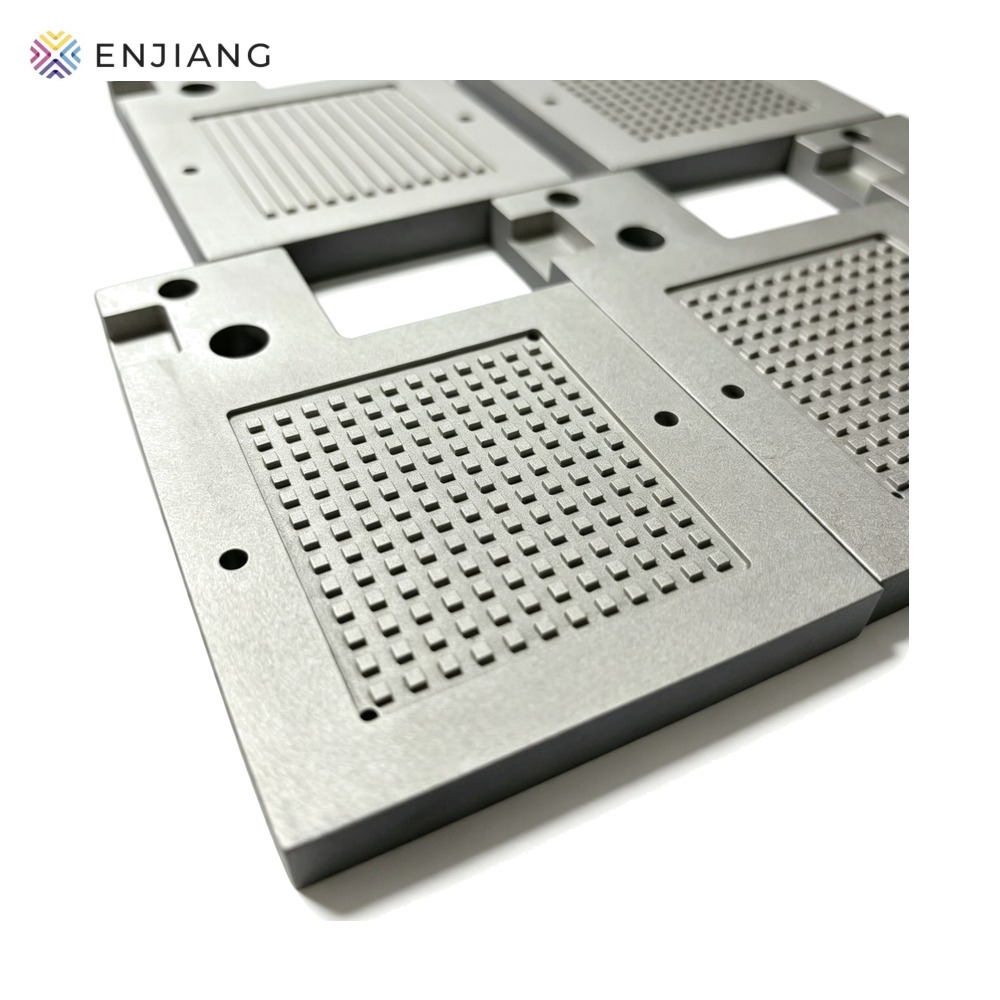


The liquid-cooled plate is a critical component of new energy vehicle battery packs, primarily responsible for heat dissipation and thermal management to maintain the battery within an optimal operating temperature range. Today, well take a brief look at the liquid-cooled plate in electric new energy vehicles.
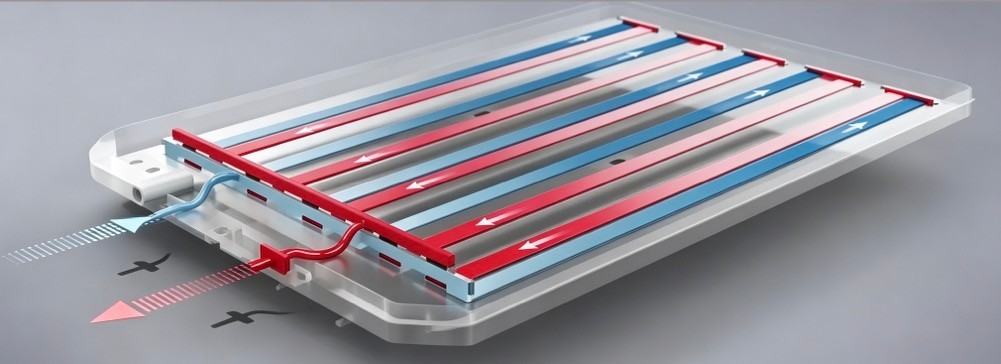
1. Structural Composition
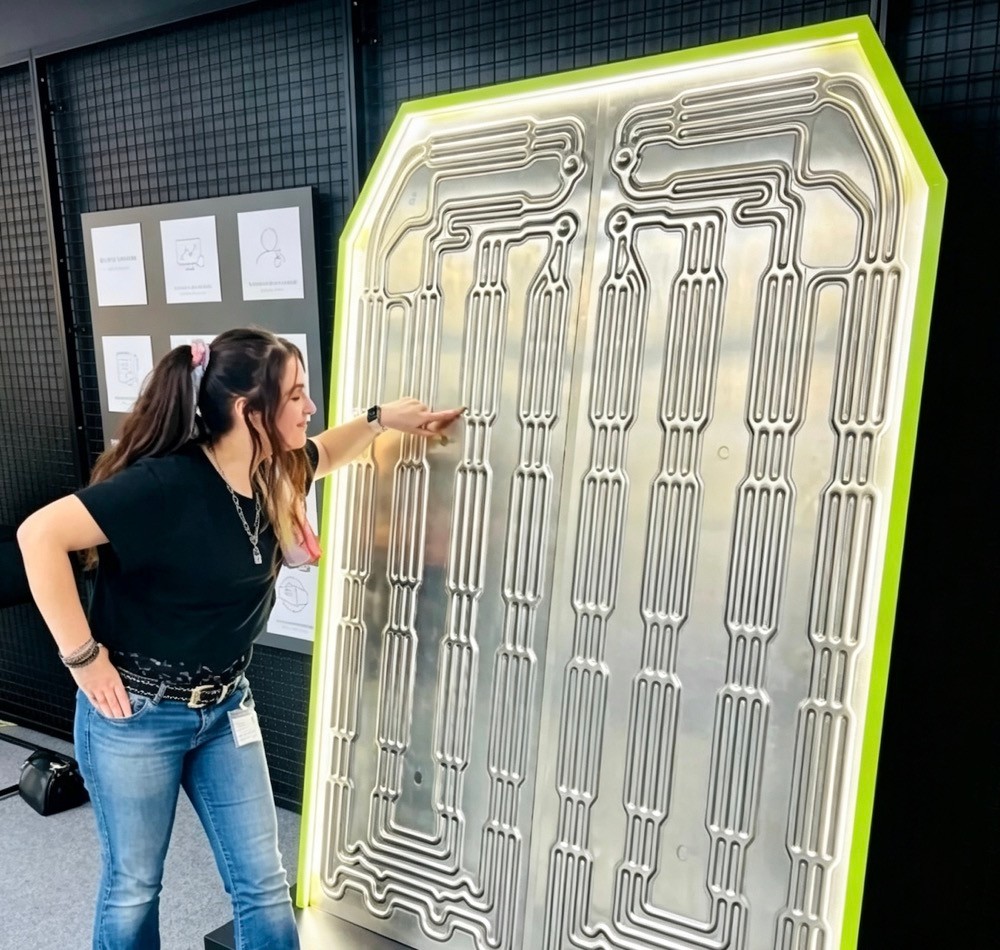
Liquid-cooled plates typically feature a metal sandwich structure with internal flow channels filled with coolant, usually mounted at the base or side of battery packs.
2. Function
By circulating coolant, the batterys heat is either dissipated or transferred to the battery (at low temperatures), maintaining it within an optimal operating temperature range to ensure proper charging and discharging.
3. Classification
The liquid cooling plate can be divided into extrusion type liquid cooling plate, stamping type liquid cooling plate, harmonica tube type liquid cooling plate, etc.
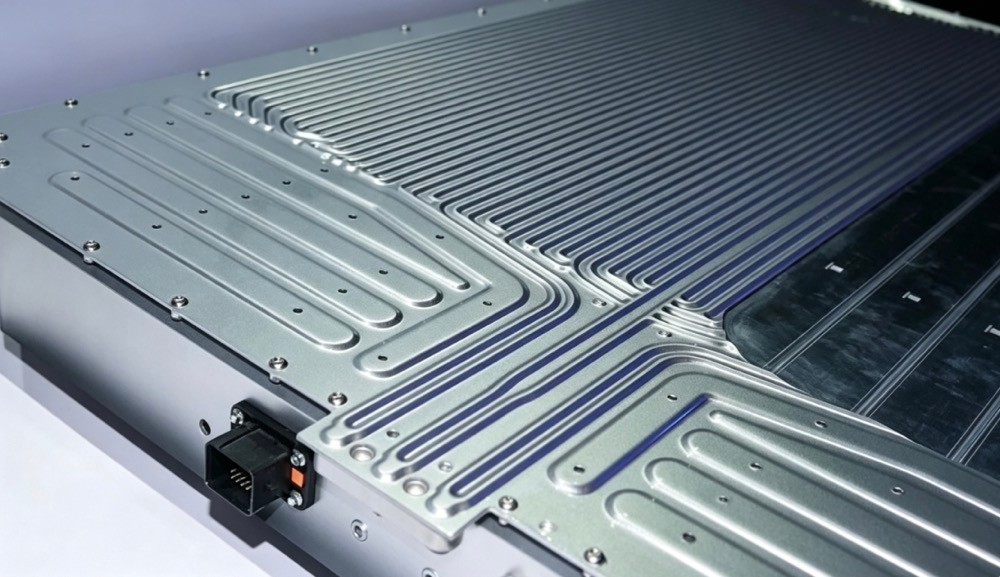
3.1 Stamping type
Liquid-cooled plates, which are made of aluminum alloy and other materials through stamping process, are the mainstream liquid-cooled plates.
Advantages: The liquid-cooled plate features flexible flow channel design that ensures tight adhesion to the battery, providing extensive liquid-cooled contact area, high heat exchange efficiency, high production efficiency, and excellent strength.
Disadvantages: High cost.
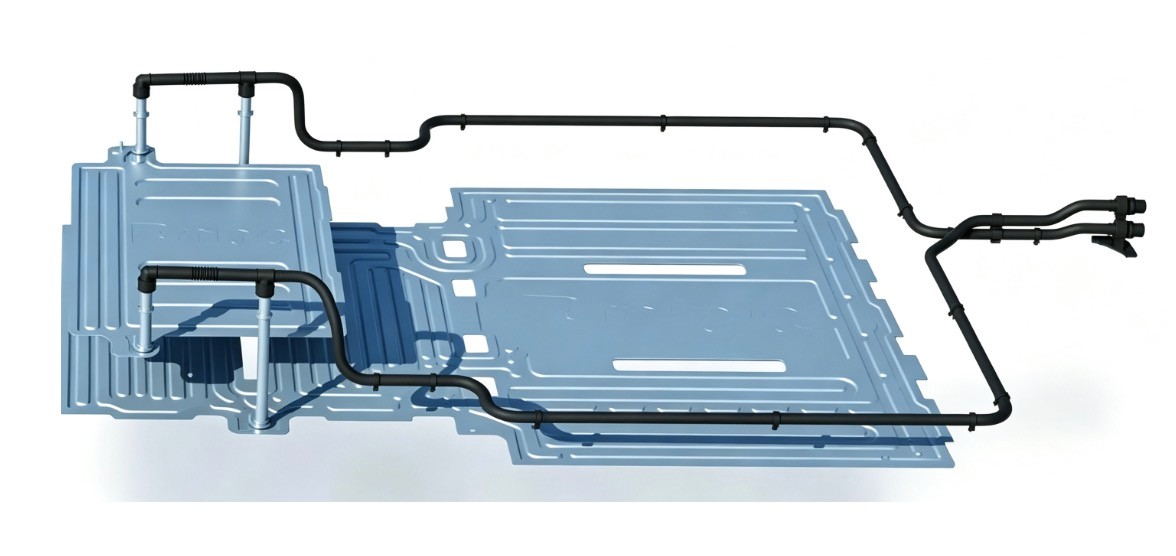
3.2 Extrusion type
The liquid-cooled plate with liquid-cooling channels is directly formed by extrusion process using aluminum alloy and other materials, and then the channels are sealed by welding.
Advantages: Simple structure, low production cost, high production efficiency.
Disadvantages: The flow channel design has poor flexibility, and the heat dissipation capability is average.
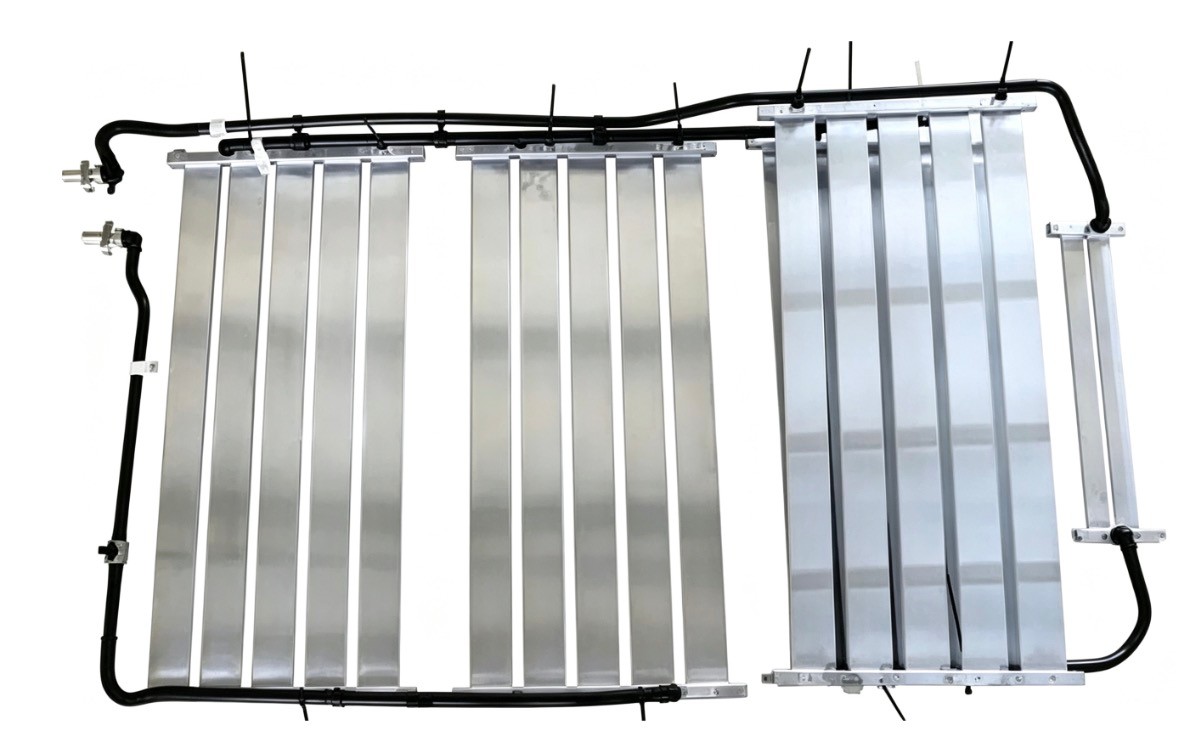
3.3 Harmonica style
As the name suggests, its flow channel is shaped like a harmonica.
Advantages: Simple structure, low cost.
Disadvantages: The flow channel design is limited, resulting in slightly poorer heat dissipation.
Additionally, customized liquid cooling plates are often selected based on specific customer requirements or battery pack configurations, such as Teslas serpentine liquid cooling plates.
The selection of liquid-cooled plates depends on multiple factors: material, heat dissipation and transfer capability, mechanical properties, cost, processing performance, corrosion resistance, etc. Generally, aluminum alloy is the primary material chosen due to its balanced performance, making it the preferred choice for liquid-cooled plates.


Contact person:Lucas
Tel:+86 17354988387
Phone:+86 17354988387
Email:lucas@enjatech.com
Address:No.1998 Jinfeng South Road, Wuzhong District, Suzhou city, China