

1. The underlying logic of cell capacity iteration is consistent
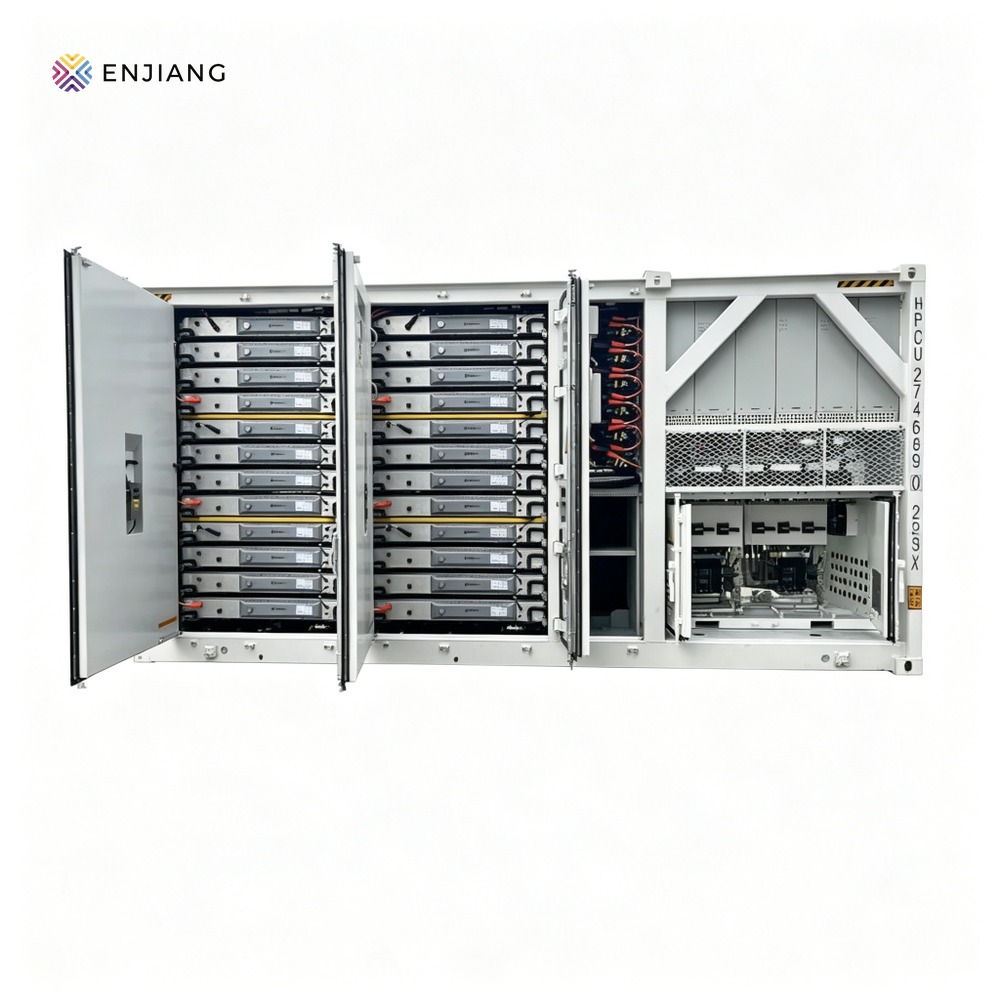
The upgrade of energy storage cells from 280Ah to 314Ah is the core trend of "large capacity and high integration" in the industry. The increase of single capacity can reduce the number of cells in the module, reduce the use cost of connectors and structural parts, and compress the module volume to leave more heat dissipation and installation space for container energy storage system. The 52 series /104 series configuration is essentially a standardized design of voltage level: 52 series corresponds to a low-voltage module of about 200V, which is suitable for distributed energy storage; 104 string pairs with high voltage modules of about 400V to match the grid-connected voltage requirements of container energy storage, which is a common string number planning idea in the industry.
2. The size of the liquid cooling plate and the module are accurate
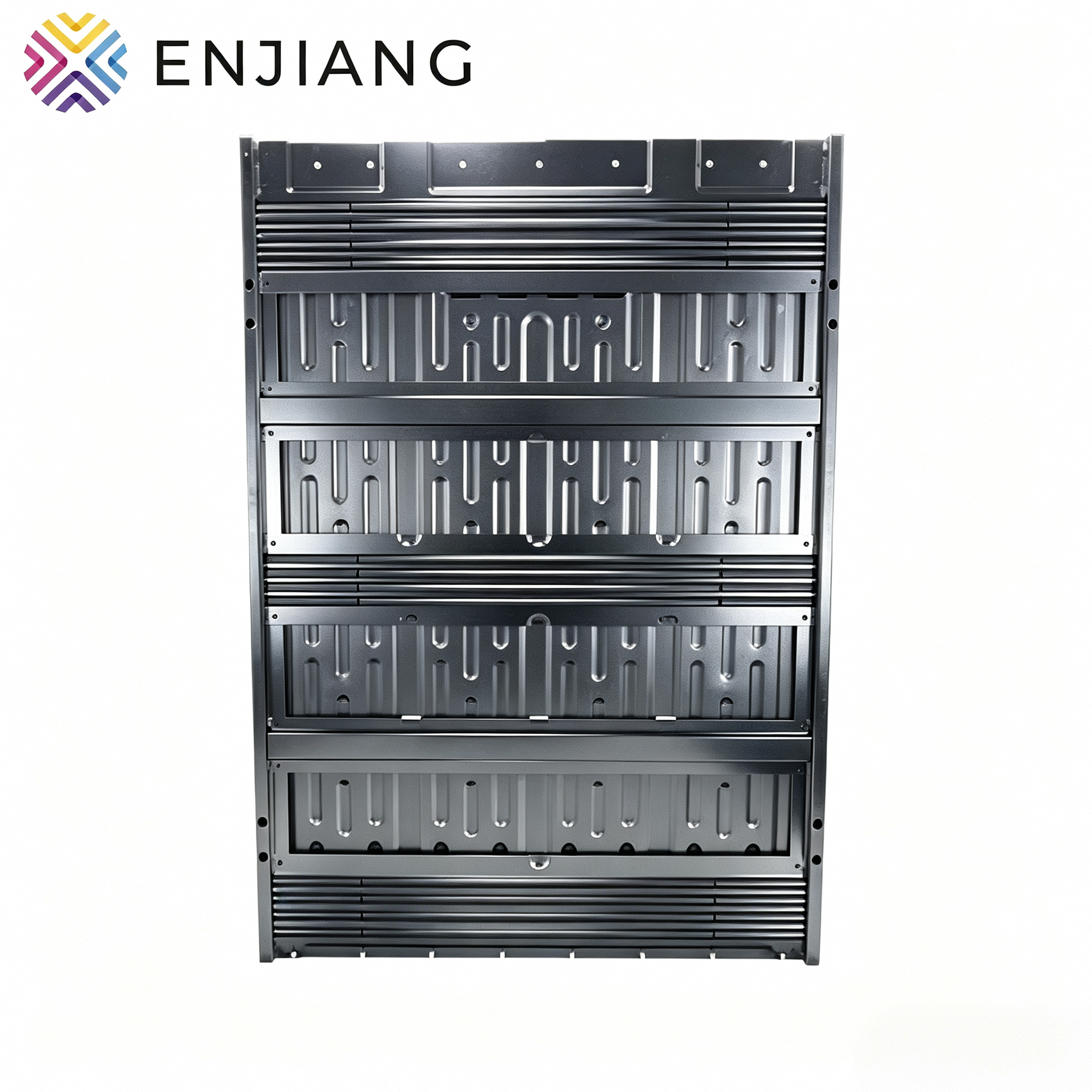
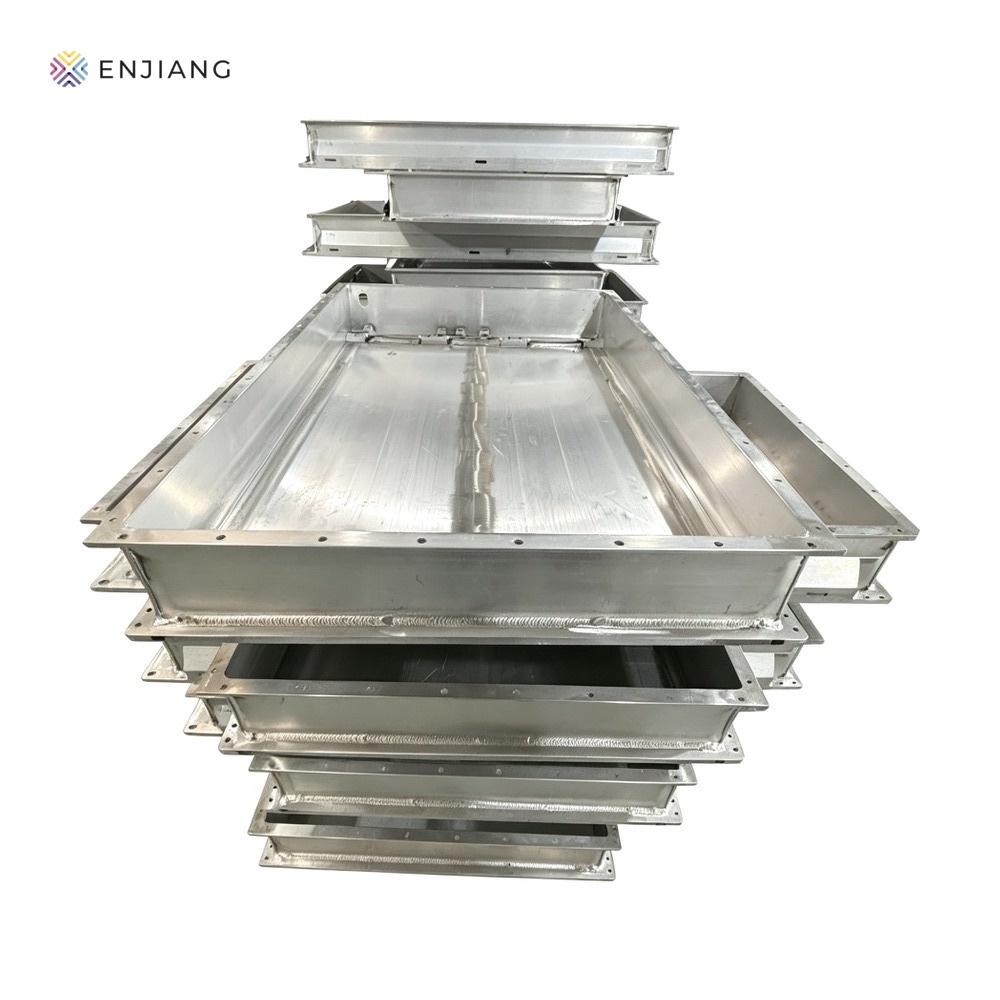
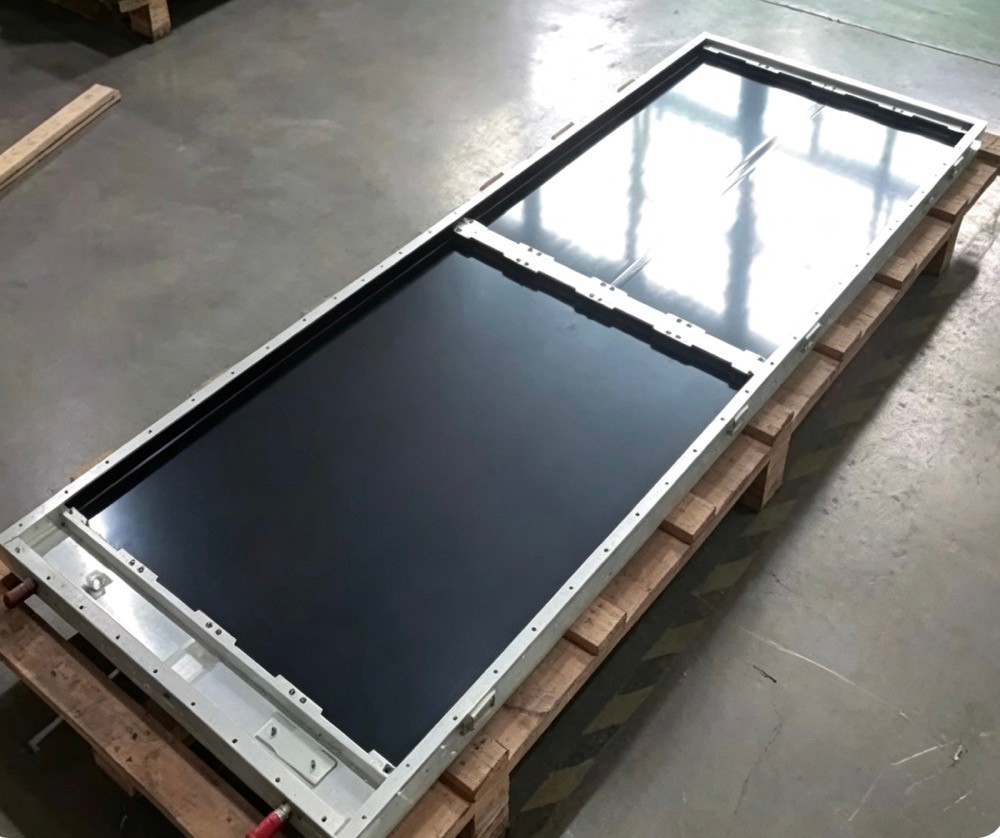
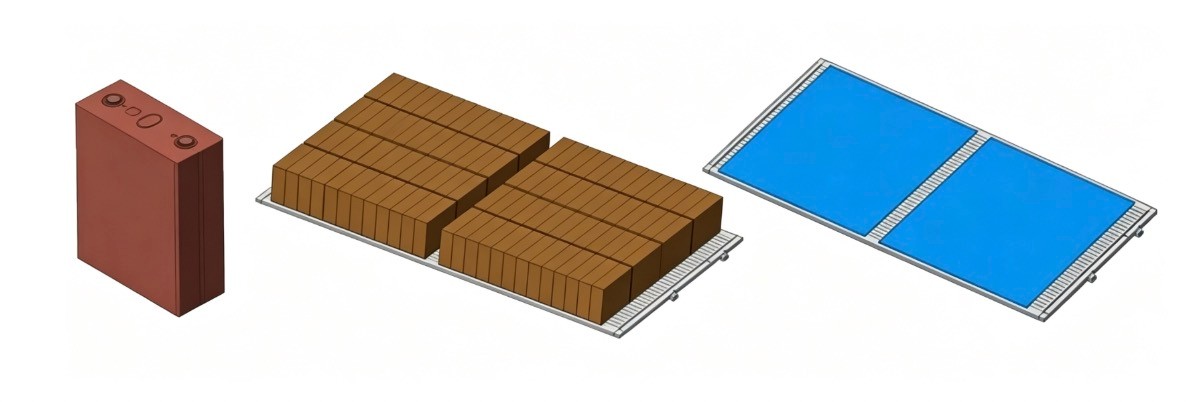
The general design of 740-810mm width, 2180-2200mm length, 10-41mm height of the liquid cooled plate specifications, is the "module size guide" design results. Take 104 series 314Ah cell module as an example, the length of conventional square cell is about 200mm, the total length of 104 series cell lateral arrangement is about 2100-2150mm, the length of liquid cooling plate is designed to cover the redundant space at both ends of the module, to ensure that the edge cell can also evenly dissipate heat; The width of 740 -- 810mm matches the transverse width of the module to ensure the comprehensive fit between the liquid cooling plate and the cell module; The height of 10mm is the optimal thickness of the profile process -- it can not only reserve enough flow channel space (general flow channel diameter 5-8mm), but also ensure the structural strength of the liquid cooled plate, avoid deformation in installation and use. Usually if the integrated frame design, can consider the cold plate integrated, such a height of 41mm;
3. The selection of open flow channel process of profile is reasonable
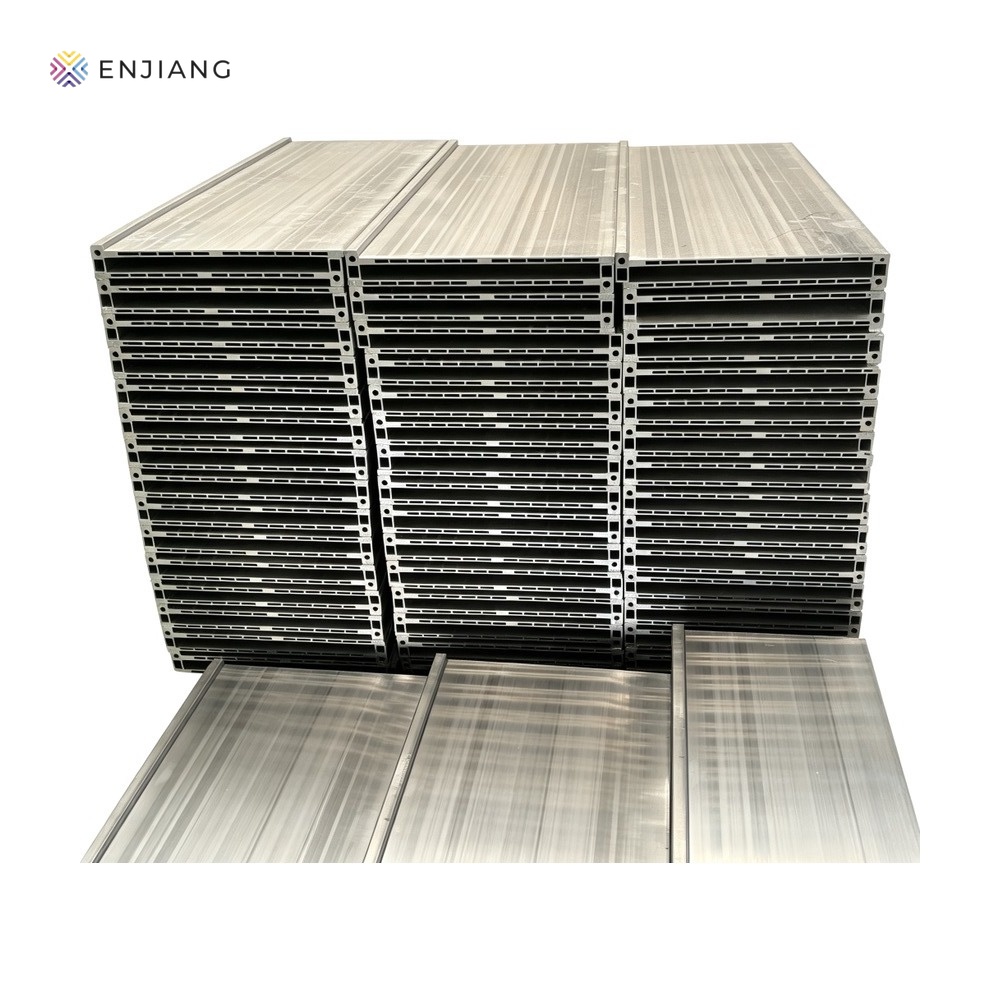
The core of the liquid cooled plate selection process for container energy storage is to meet the needs of large-scale production and long-term reliability:
◦ The flow channel of the profile process is one-piece, and the two ends are sealed by argon arc welding, which can avoid the risk of coolant leakage, which is crucial for outdoor use scenarios of container energy storage;
◦ High dimensional accuracy of the profile flow channel, which can accurately control the flow rate and flow of the coolant, ensure that the heat of the 314Ah large cell is evenly dispersed, and avoid local overheating;
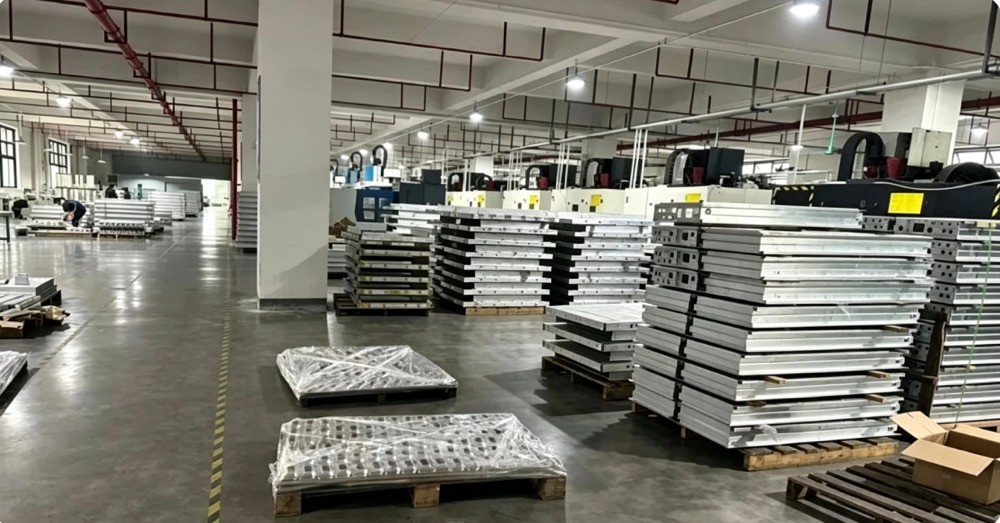
◦ The high production efficiency of profile liquid-cooled plates makes them suitable for batch delivery requirements of container energy storage, which is also the mainstream process choice in the thermal management industry in the energy storage sector.
Sort out a technical parameter table of 104 series of 314Ah module liquid cooling plates, and share the size, flow channel design, heat dissipation effect simulation analysis and reliability test with you:
Integrated profile mould:
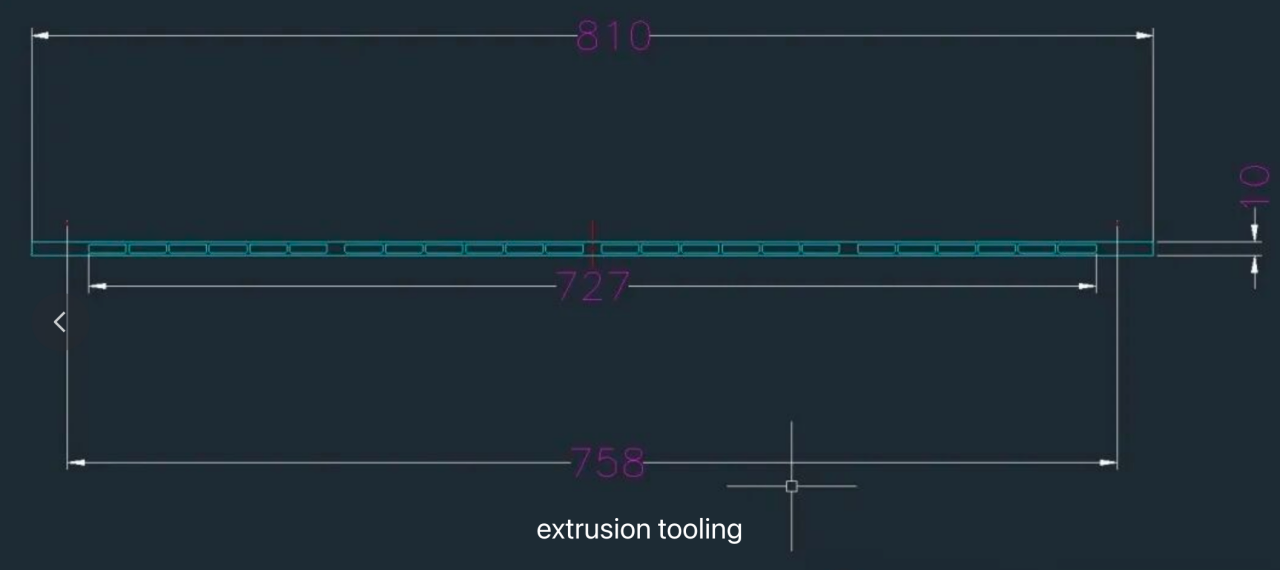
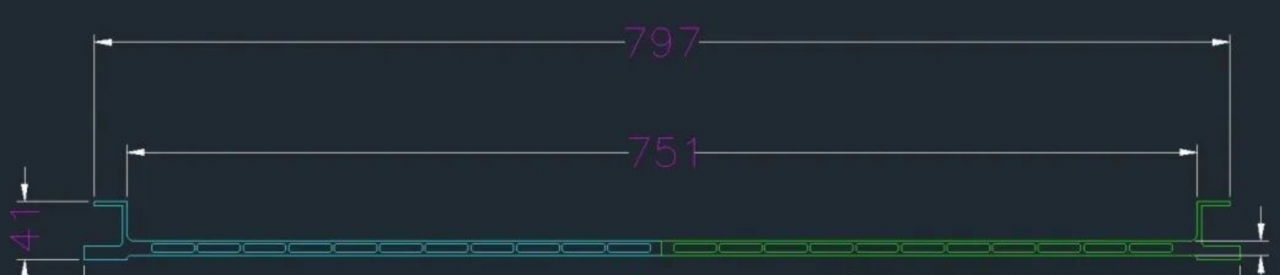
Usually, different width and height dimensions can be used based on demand to meet the demand. Among them, the height of 41mm needs to consider the integration of two profiles splicing friction stir welding.
In practical application, it is necessary to spray paint the surface of the liquid cooled plate, the general thickness of about 150nm, the back to prevent condensation water needs to be covered with a layer of polyester protective film, generally 2-3mm;
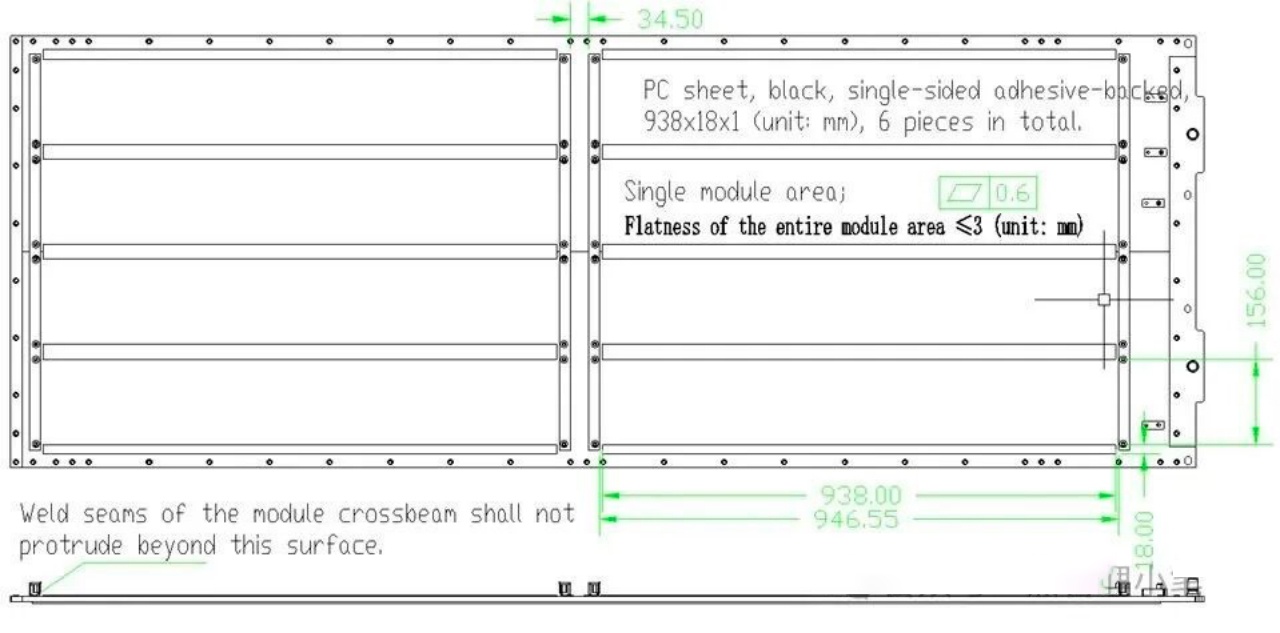
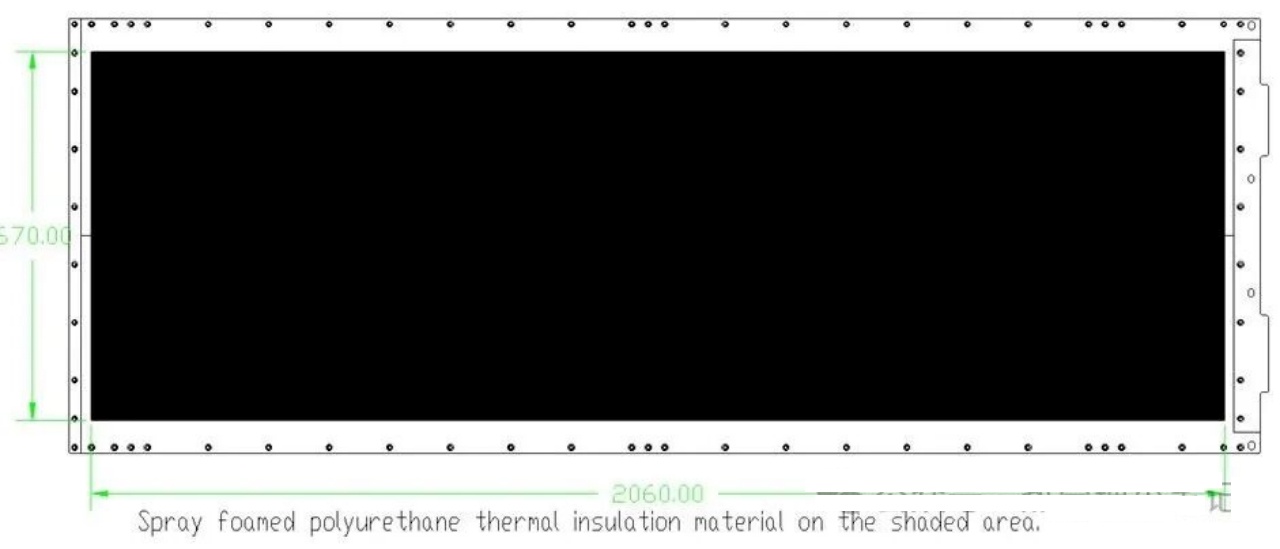
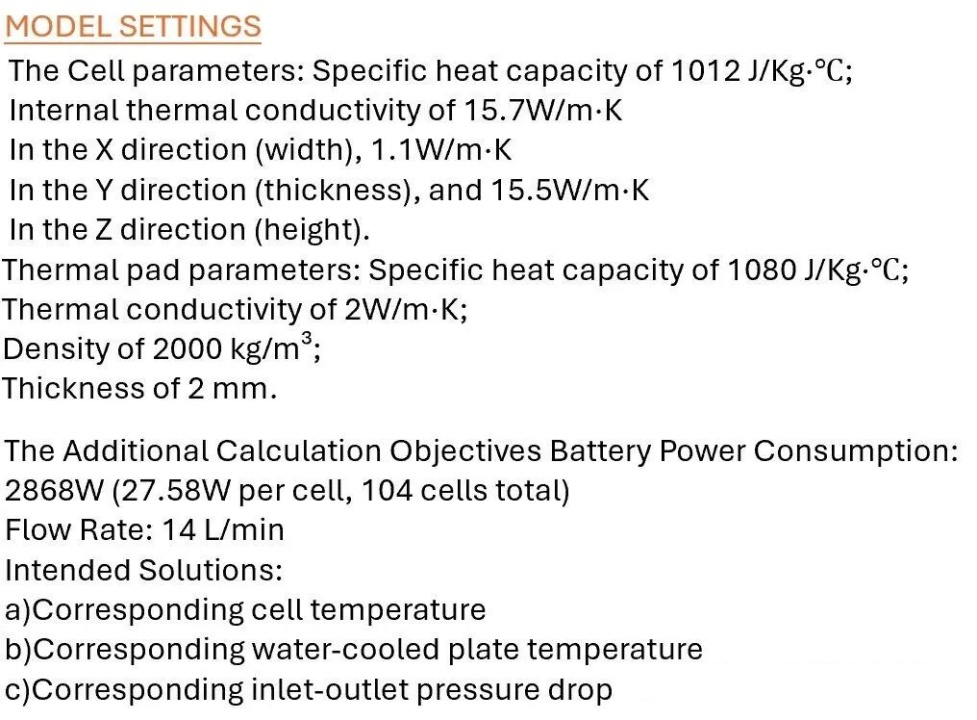
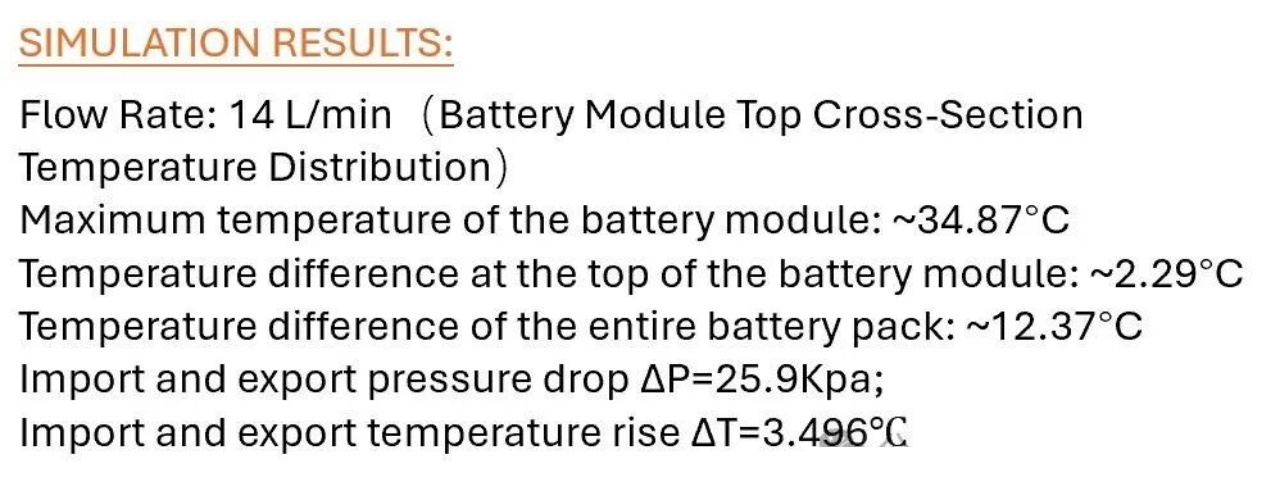
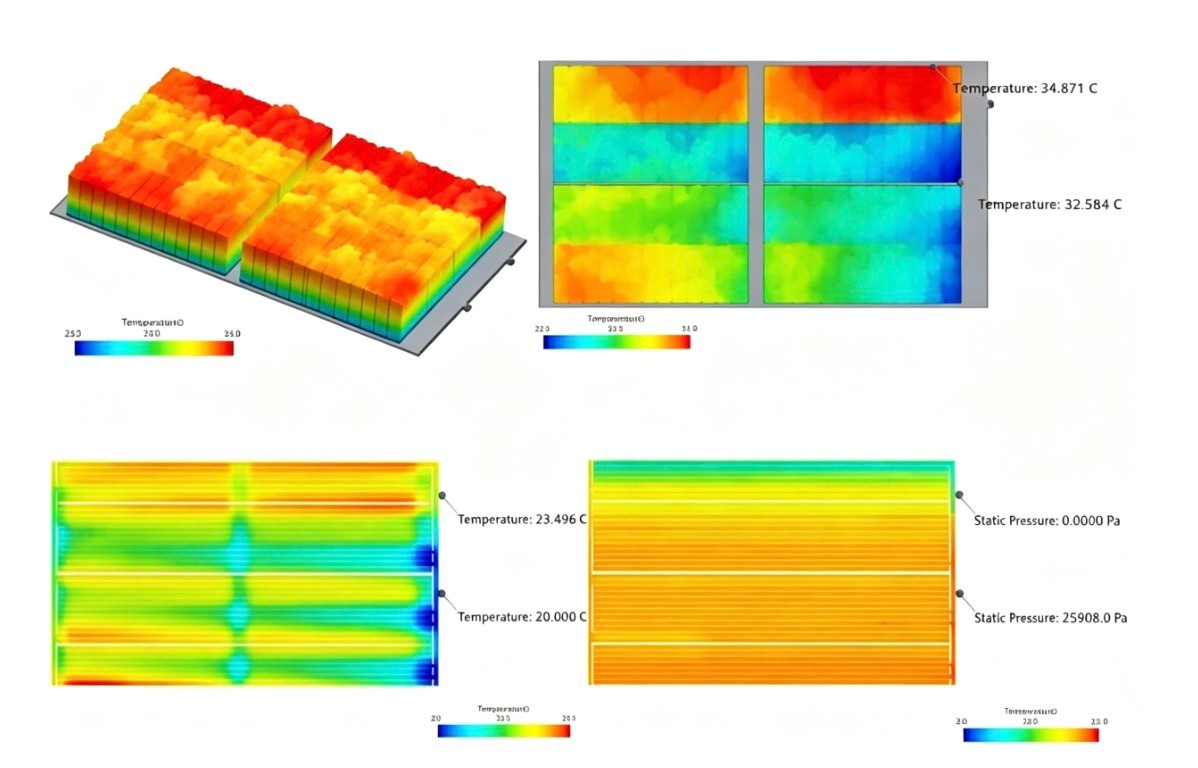
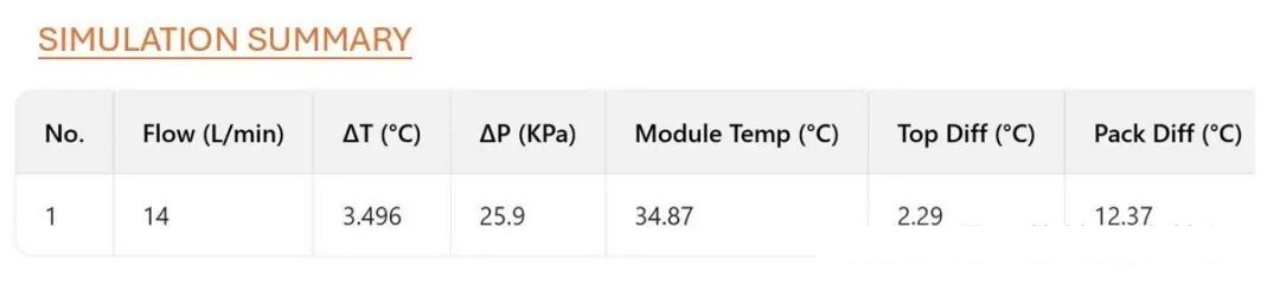
The following thermal simulation analysis can look at the distribution of heat, it can be seen that the temperature difference is small, the design is reasonable:
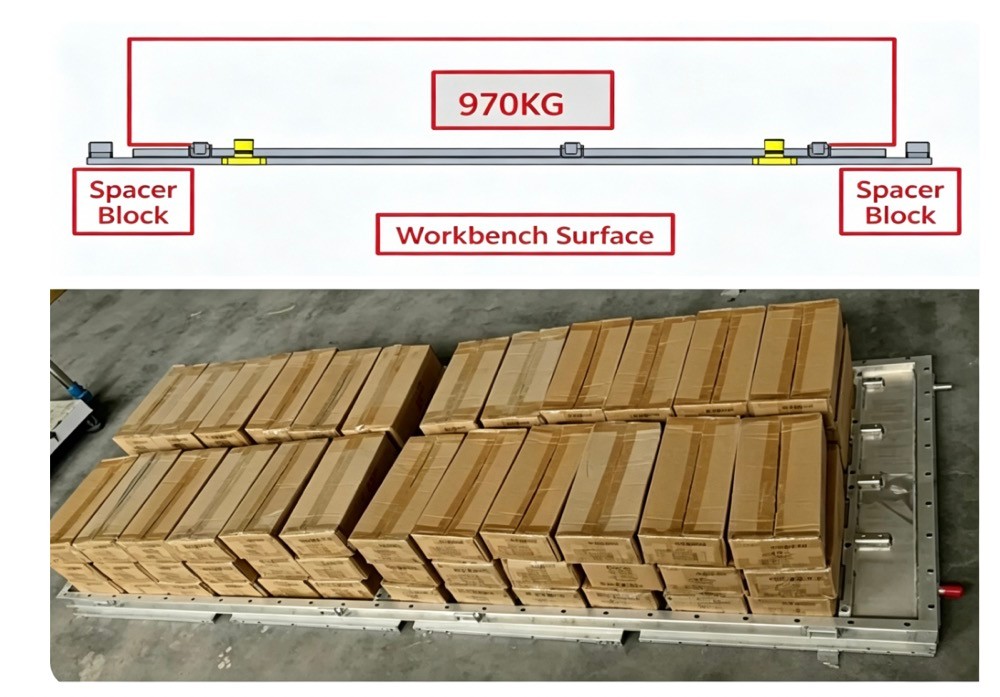
Finally, the reliability test shows that the carrying capacity of 970kg can meet the needs of the battery module


Contact person:Lucas
Tel:+86 17354988387
Phone:+86 17354988387
Email:lucas@enjatech.com
Address:No.1998 Jinfeng South Road, Wuzhong District, Suzhou city, China